

Optimisation for AI drives me nuts!
It’s not because it’s hard or that I don’t like AI, it’s because they call it GEO.
Why do they call AI Optimisation GEO?
They call AI Optimisation GEO because it means: Generative Engine Optimisation.
It refers to optimising content so it is:
- Understood
- Trusted
- Selected
by AI-powered generative engines like:
- ChatGPT
- Google AI Overviews
- Perplexity
- Claude
- Gemini
Instead of ranking links, these systems generate answers, and GEO is about getting your content used as a source in those answers.
The problem is that most people don’t know what a generative engine is. They don’t in many cases even know what SEO is or why it’s valuable.
What is SEO?
SEO or Search Engine Optimisation is a combination of several optimisations:
- Technical SEO
Makes sure search engines can access and understand your site.
- Site speed
- Mobile friendliness
- Indexing & crawlability
- Core Web Vitals
- Secure HTTPS
- On-Page SEO
Optimises individual pages for search intent.
- Keywords & search intent
- Title tags & meta descriptions
- Headings (H1–H3)
- Internal linking
- Image optimisation
- Content SEO
Creates content that answers what people are searching for.
- Blog posts
- Service pages
- FAQs
- Long-form guides
- Topic authority
- Off-Page SEO
Builds trust and authority outside your website.
- Backlinks
- Brand mentions
- Reviews
- Citations
Good SEO means:
You show up when people already want what you offer.
SEO vs Ads (Quick Comparison)
| SEO | Paid Ads |
|---|---|
| Long-term results | Instant traffic |
| Builds authority | Stops when budget stops |
| Higher trust | Lower trust |
| Compounding ROI | Linear ROI |
I’m using a number of techniques in this blog to help with its SEO. You’ll note that I use a Question then I provide the Question reworded as part of an answer… It feels weird to read but it’s good for search engines as it puts me up on the occasional FAQ section.
So what is a Generative Engine?
A generative engine is a program that provides direct answers to questions rather than simply listing websites. It works by analysing information from multiple sources, understanding the intent behind a query, and then producing a written response in clear, natural language. Unlike traditional search engines, which primarily point users towards relevant pages, generative engines summarise and explain information themselves, making it easier for users to get an answer without needing to click through several links.
AI and Generative Engines
To be honest, AI is not what people think it is. People thoroughly believe it’s AI, and it’s not. In truth, pretty much every program that the masses call AI is a machine learning algorithm. So the Generative Engine is just a machine learning algorithm that will generate a response to a question, kind of like an advanced word using calculator.
MLO would be a good way to put things but machine learning is even more uncommon among the average person than the concept of Generative Engines.
In all honesty AIO or AI Optimisation would be the best way to put it.
I’ve always introduced SEO as Search Engine Optimisation to people because it’s easier to understand than a three letter acronym. I detest most of the acronyms in marketing, especially UX for User Experience because experience begins with an E not an X. It’s enough to drive a person crazy.
AI Optimisation is easier for a normal person to understand than GEO. So that’s how I’d explain it to a customer.
Ultimately though this is incorrect.
Finally… If you want something with a rudimentary artificial intelligence that is closer to being an AI than any of the AI people commonly see on the market, like Perplexity, Claude, Grok or ChatGPT, the humble floor sweeping robot is programmed to avoid collisions and interacts with objects with self preservation in mind… The age of the floor sweeper is upon us. Skynet is real, and I bow before my floor sweeping robot overlords, Long may they reign!

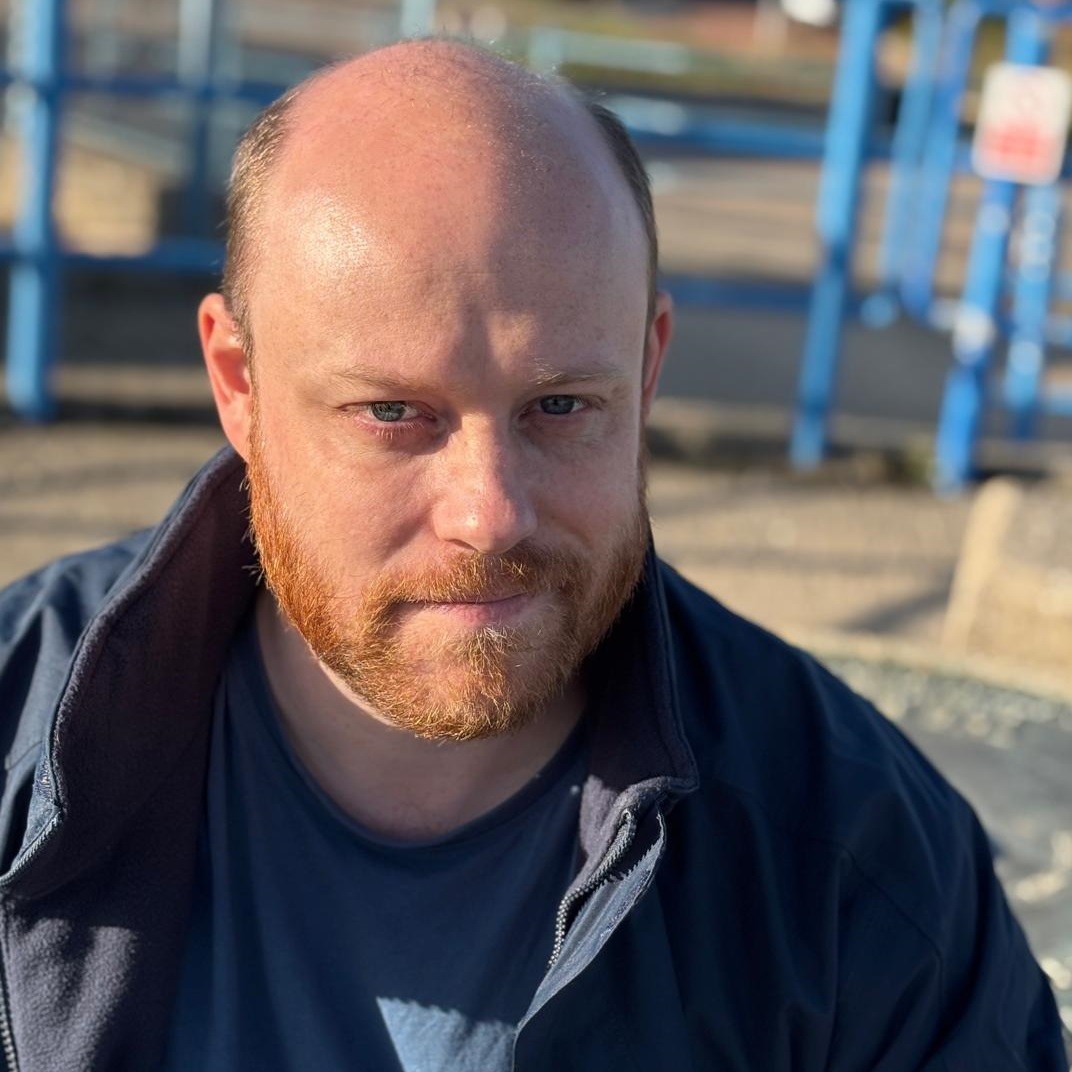
A digital marketer with over 15 years’ experience, I’ve worked with more than 400 companies across a wide range of industries. From startups to established brands, I specialise in creating strategies that boost visibility, engage audiences, and drive real results.