

“Your business doesn’t slow down because people aren’t working hard enough.
It slows down because everything still has to go through you.”
This is one of the hardest truths for founders to hear and one of the most common realities I see behind the scenes.
Not because founders are incapable. Not because they don’t trust their teams. And certainly not because they enjoy control (despite what some leadership books might imply).
It happens because the business was built around them and then quietly outgrew that design.
No one calls it out. Everyone adapts and slowly, the founder becomes the most overworked and overloaded part of the system.
Not by choice. By default.
The Bottleneck Nobody Mentions
In early stages, founder centrality is a strength.
You are the product expert. You are the decision-maker. You are the quality control.
Speed comes from proximity. Alignment comes from presence.
But growth changes the rules.
Suddenly:
- Every decision waits for approval
- Every exception escalates upward
- Every customer issue lands in one inbox
- Every “quick check” turns into a full review
And without noticing, the founder becomes the slowest step in the process.
Not because they’re slow, but because everything waits for them.
“Control feels like safety… until it becomes congestion.”
Why This Doesn’t Feel Like a Problem (At First)
What makes this tricky is that it rarely looks broken.
In fact, it often looks like: dedication, accountability, leadership and “being across everything”
From the outside, the founder appears indispensable. From the inside, they feel responsible.
And responsibility is a hard thing to put down.
So instead of asking “Why does everything need me?”, we ask “Why am I so tired?”
That’s when people mistake a structural issue for an energy issue.
This Isn’t Burnout, It’s Design Debt
Let’s be clear.
This is not about resilience. This is not about self-care. This is not about “learning to let go”.
This is about how the business is designed to function.
When decisions, information, and accountability all converge on one person, the system doesn’t scale and rather, it waits.
And waiting is expensive.
It shows up as:
- delayed responses to customers
- duplicated work
- teams second-guessing themselves
- opportunities missed because “we’ll check with X”
“Businesses don’t fail because founders care too much.
They stall because systems care too little about independence.”
The Hidden Cost of Founder Dependence
What founders often don’t see because they’re too busy keeping things moving is what this dependence does to everyone else.
1. Teams Stop Thinking Ahead
When decisions always escalate, people stop anticipating. Why plan when approval is unpredictable?
2. Capability Stagnates
If the founder always resolves complexity, others never build the muscle.
3. Customers Feel the Drag
Customers don’t know your org chart but they feel hesitation, delays, and inconsistency instantly.
4. Growth Feels Heavy Instead of Energising
Every new client feels like more weight, not more momentum.
“If your business needs you to approve everything, it doesn’t trust itself yet.”
A Familiar Pattern (You Might Recognise This)
I once worked with a growing professional services firm where the founder was admired by everyone. Smart. Thoughtful. Always available.
And completely overwhelmed.
Nothing moved without their sign-off:
- proposals
- pricing adjustments
- customer escalations
- internal changes
The team wasn’t underperforming, they were just basically waiting.
When we mapped decision flows, one thing became clear: the business wasn’t lacking talent, it was lacking permission.
Once we clarified decision boundaries, standardised escalation paths, and created shared visibility instead of private approvals, something shifted.
Not overnight. But decisively.
The founder didn’t disappear. They became strategic instead of central. That’s the difference.
Why Letting Go Is the Wrong Language
Founders often resist this conversation because it’s framed emotionally:
- “You need to trust your team.”
- “You need to step back.”
- “You need to let go.”
That’s not helpful. This isn’t about letting go and is rather about designing forward.
You don’t remove yourself. You reposition yourself in various ways.
From: decision-maker to decision architect
From: problem-solver to system designer
“Leadership isn’t about being needed everywhere. It’s about being needed in the right places.”
The Real Question to Ask
Instead of: “Why do people keep coming to me?”
Ask: “What have I not made clear enough for them to decide without me?”
Instead of: “Why can’t I get a break?”
Ask: “What would break if I stepped away for a week and why?”
Those answers are gold.
They show you exactly where structure is missing.
What Healthy Founder Involvement Actually Looks Like
In well-designed businesses:
- Founders set direction, not daily approvals
- Decisions flow with clarity, not hesitation
- Exceptions are rare and not routine
- Customers experience consistency, not personality-dependence
The founder is still present. Still influential. Still accountable. Just not overloaded.
“Your business shouldn’t need your approval to breathe.”
This Is Where Most Small Businesses Get Stuck
Not because they lack ambition. Not because they lack skill. But because no one ever pauses to redesign the way work flows.
Growth exposes what early success hides.
And unless someone helps translate effort into structure, founders carry more than they should and for way longer than they should.
Where Vani Malik Consulting Comes In
At Vani Malik Consulting, this is one of the most common patterns we help leaders unravel.
Not by telling founders to step away, but by helping businesses stand up.
We work with leaders to:
- identify decision bottlenecks
- design clear ownership and accountability
- align systems, teams, and customer journeys
- create visibility without dependency
The goal isn’t distance. It’s durability, because a business that can’t move without its founder isn’t strong and rather fragile and clarity changes that.
Final Thought
If your business feels slower than it should be, heavier than it needs to be, or more dependent on you than you ever intended, that’s not failure.
That’s a signal. A signal that the business has outgrown its original design and that’s not something to fix with more hours or more effort.
It’s something to fix with clarity.
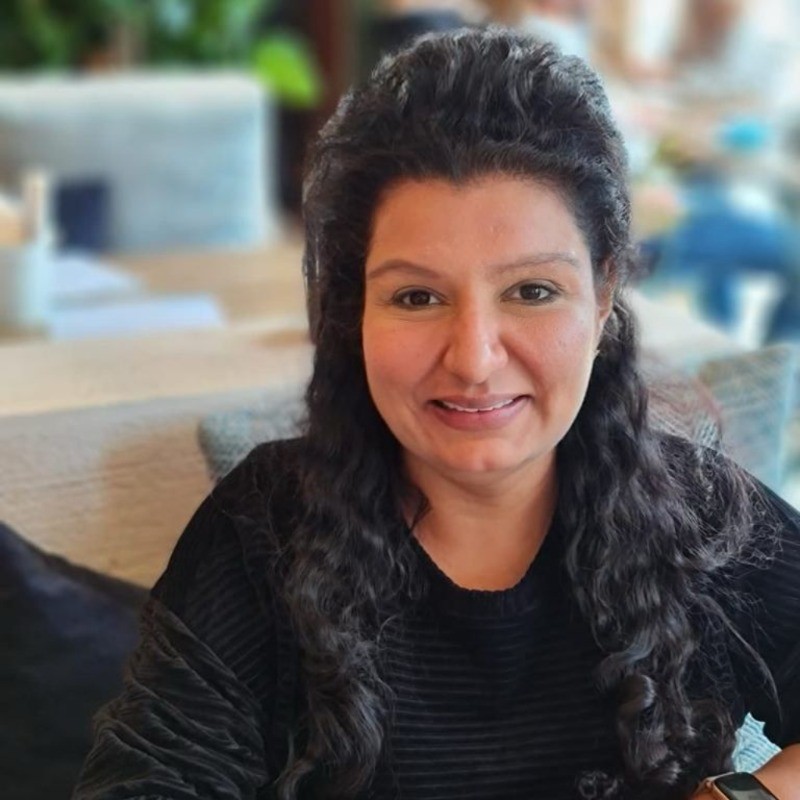
Hi, I’m Vani Malik, a business consultant now based in Colchester. For over 20 years, I’ve worked with global background screening and HR service companies, supporting clients across Europe, Asia, and North America.