

Why humanity still matters in an age of flawless everything
A few years ago, “done” used to mean done.
A good presentation meant clear thinking, a good proposal meant solid ideas and a good piece of writing meant… well, that it made sense.
Now?
Everything looks perfect, suspiciously perfect.
Decks are pristine, emails are beautifully phrased, headshots look like magazine covers and every sentence feels edited within an inch of its life.
Thanks to a growing ecosystem of helpful AI tools, everything can be optimised, polished, refined, regenerated – endlessly.
We can tweak forever which means nothing is ever quite finished and somewhere in this pursuit of flawless, we may have quietly lost something human.
When everything became shiny
I see this pattern often in consulting conversations.
A founder shows me their website and says, “It’s not ready yet. It’s not perfect.”
A leader delays launching a new process because, “We just need to refine it a bit more.”
A team spends three extra weeks polishing slides no one will remember two days later, not because the work isn’t good, but because it isn’t immaculate.
Somehow, “very good” stopped being acceptable. Now it has to look like it descended from the heavens, preferably with background music and I sometimes want to gently ask:
Perfect according to whom and at what cost?
The strange paradox of perfection
Here’s what really fascinates me, If everything is perfect… how do we even choose?
If ten proposals are immaculate, ten websites beautifully designed,
ten LinkedIn profiles perfectly worded…What actually makes one different from the other because technically, they’re all flawless and yet, they blur together.
It’s like walking through a neighbourhood where every house is identical.
Same colour, same structure, same manicured lawn – objectively beautiful but emotionally forgettable.
You don’t remember house number three or seven or nine, but you’ll always remember the one with the slightly crooked gate, the wind chime on the porch, the plant growing wildly in the wrong direction – the one with character, the one that feels lived in.
The problem with “too polished”
I’ve noticed something else too.
The most “perfect” presentations are rarely the most persuasive. The most polished pitches aren’t always the ones that win. The most beautifully scripted answers don’t always build trust because perfection often sounds… generic, safe, predictable like it’s been sanded down so much that all personality has disappeared and personality is what we actually connect with.
When something feels overly perfect, we quietly wonder:
Was this written by a person or generated or templated?
Ironically, the more flawless something looks, the less real it feels and trust rarely lives in “too perfect.”
Trust lives in the small signals of humanness – an honest pause, a slightly messy thought, a sentence that sounds like someone actually spoke it.
Those tiny imperfections whisper: This is real.
The moment that made me smile
A few days ago, I overheard my business partner on a work call.
He was trying to spell a name for a client using phonetics.
You know the usual drill – “A as in Alpha, B as in Bravo.”
Except halfway through he paused and said,
“K… as in Casper. If you spell Kasper with a K.”
There was a moment of silence on the call, then a bit of laughter and he casually followed it up by admitting he’s never quite managed to get the hang of phonetics.
It was a tiny thing, technically incorrect and completely unnecessary, but it made the conversation lighter, more memorable and more human.
In a world where everyone tries to sound precise and polished, that small moment of imperfection actually made the interaction stand out.
It wasn’t scripted or optimised, it was simply real.
A small confession
I love good tools. I love smart systems. I deeply appreciate what AI can do.
They save time, sharpen thinking and even remove friction but I’ve also learned something the hard way:
If you outsource all the thinking, your own thinking quietly weakens.
If every sentence is auto-improved, you stop wrestling with ideas yourself.
If everything is generated, you slowly stop generating and that unsettles me more than an imperfect draft ever could because messy thinking is often where original thinking lives.
Learning to accept 90–95%
Somewhere along the way, I started practising something small and surprisingly uncomfortable – stopping at 90–95% (you certainly should not if your profession needs precision like being a surgeon or an architect or a civil engineer or anything similar), not because I’m lazy but because I’m choosing energy over obsession.
That last 5% often costs a disproportionate amount of time… for barely noticeable gain.
Life is finite, ideas matter more than polish and sometimes “finished” is braver than “flawless.”
There’s freedom in saying:
This is thoughtful, honest and good enough. Let’s ship it.
What if imperfection is actually differentiation?
Maybe we’ve misunderstood what makes things stand out. Maybe it’s not perfection that differentiates.
Maybe it’s character, voice, the tiny human fingerprints left behind.
The things that can’t be templated or automated because here’s the truth:
Perfection is easy to copy, humanity isn’t.
Anyone can polish but not everyone can be real.
A quieter way forward
This isn’t an argument against excellence.
It’s a quiet reminder not to chase a sterile, mythical version of perfection that doesn’t even exist.
Do good work, certainly care deeply and think clearly and absolutely use the tools but leave space for humanness, for quirks and that slightly crooked gate because in a world where everything seems perfect…The only thing that truly stands out is something that feels alive and alive is rarely flawless.
About Vani Malik Consulting
At Vani Malik Consulting, we don’t chase perfection for its own sake.
We help small and growing businesses build systems that are clear, practical, and human, the kind that work in the real world, not just on paper because sustainable growth rarely comes from flawless dashboards or over-engineered processes.
It comes from thoughtful structure, consistent follow-through, and teams who feel empowered to do their best work – imperfections and all.
If you’re looking to scale customer success, streamline operations, or bring clarity to the chaos, we’d love to help you build something that’s effective, not exhausting.
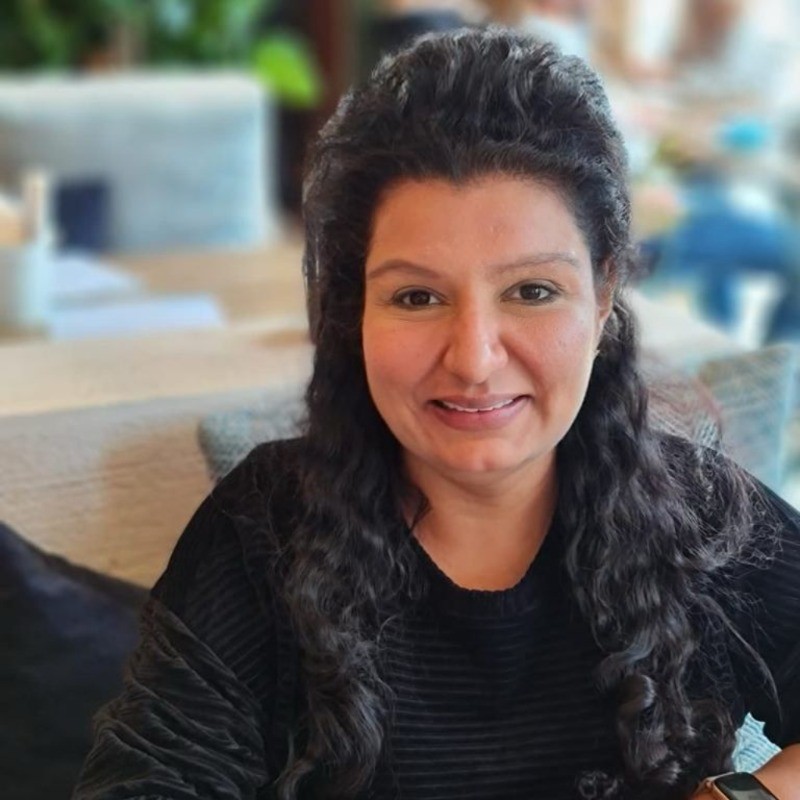
Hi, I’m Vani Malik, a business consultant now based in Colchester. For over 20 years, I’ve worked with global background screening and HR service companies, supporting clients across Europe, Asia, and North America.